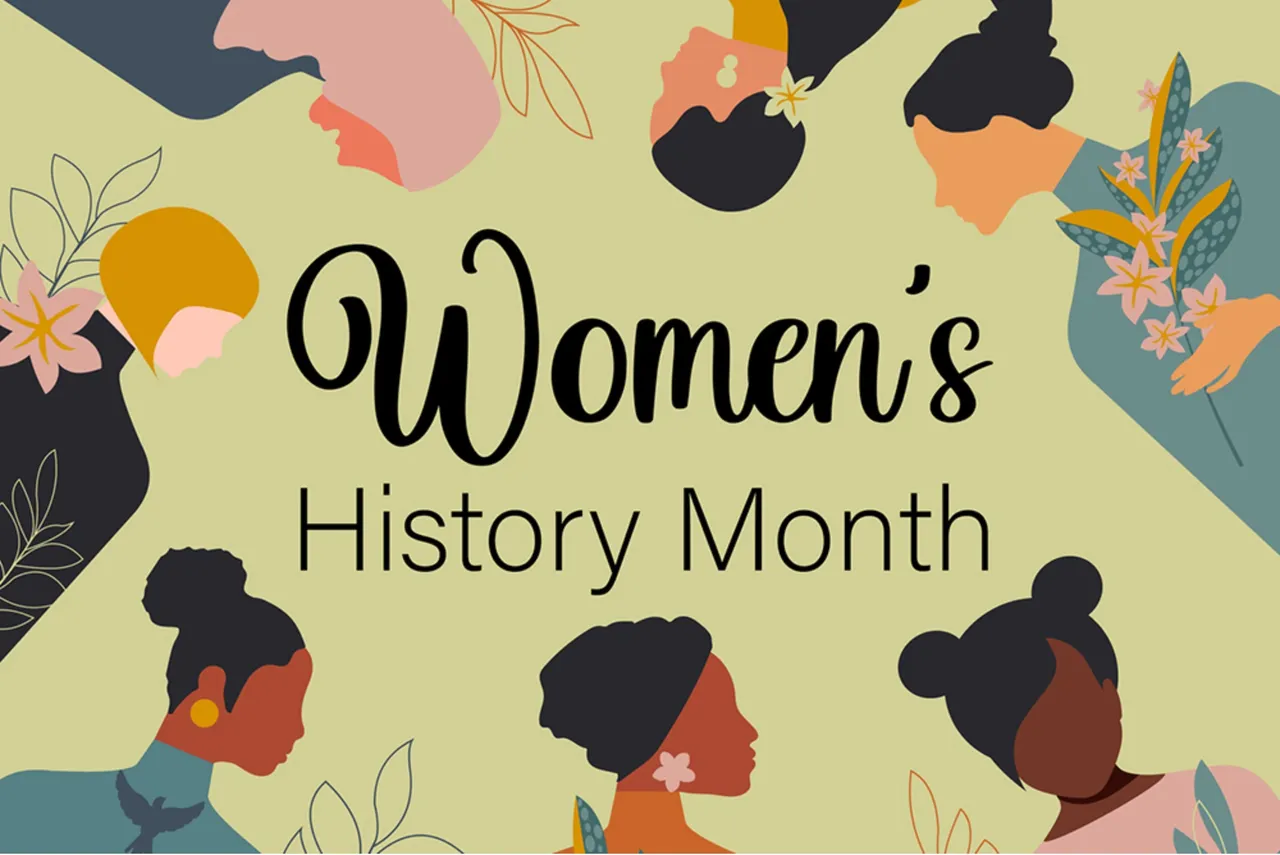
October has nearly unfurled into November, bringing a close to another year’s commemoration of Women’s History Month, and I’m only now writing about it. For one, I can still think about women’s voices next month and the month after that. I won’t let a 31-day-long container hold me back.
Realistically, the other reason to talk about women in the context of a communications-related blog is because the issues keep on keeping on. For this moment together, friends, we’re going to think about language.
There used to be a riddle going around about a surgeon stopping when the critically injured patient rolled into the operating room. The child on the operating table had been in an accident with her father and the surgeon exclaimed, “I can’t operate! This is my child!” But how?
How indeed.
In English, the word surgeon is not gendered, but the riddle rested on a common social understanding that surgeons are male. Context is everything. Years of highlighting women who are surgeons and getting to know them make that riddle obsolete. Kind of. When you shut your eyes and think “surgeon,” whom do you see? What skin colour does that person have?
Language gives us ways to share what is in our brains. The people we speak with or write to interpret the words we use with their own images. I say “surgeon” to you and you conjure your own picture of who that might be. I’m not sharing any great revelation here; it’s just a reminder that we build context around words based on our experiences, our media consumption, and even our beliefs.
My call to you all, friends, is to work on refreshing your images. Imagine women as surgeons. Imagine darkly toned surgeons. Imagine surgeons with head coverings. Permit yourself to go a little deeper, even. When you meet real surgeons, think about how your initial impressions affect how you interact with them. How you expect them to perform. What if something goes wrong with a surgery? What then?
This is a challenge for all of us in our workplaces, too. The way we frame our thoughts can affect our relationships with colleagues, success in securing grants, interpreting policies, and on and on.
Words hold power. We all use them. Wield them well. And when it comes to serious stuff, engage with someone who spends a lot of time curating words. Reach out to me at unspun.ca or sign up over there —> to get posts like this right in your mailbox.
Happy Women's History Month!
Thinking about words now? Here are some good reads for you:
- Words matter: Guidelines on using inclusive language in the workplace | Government of British Columbia
- Language-related misunderstanding at work: What it is, why it occurs and what organizations can do about it | The Conversation
- The Marked and the Unmarked | Deborah Tannen. It’s short, but a more nerdly read